Author: Utah County Health Department

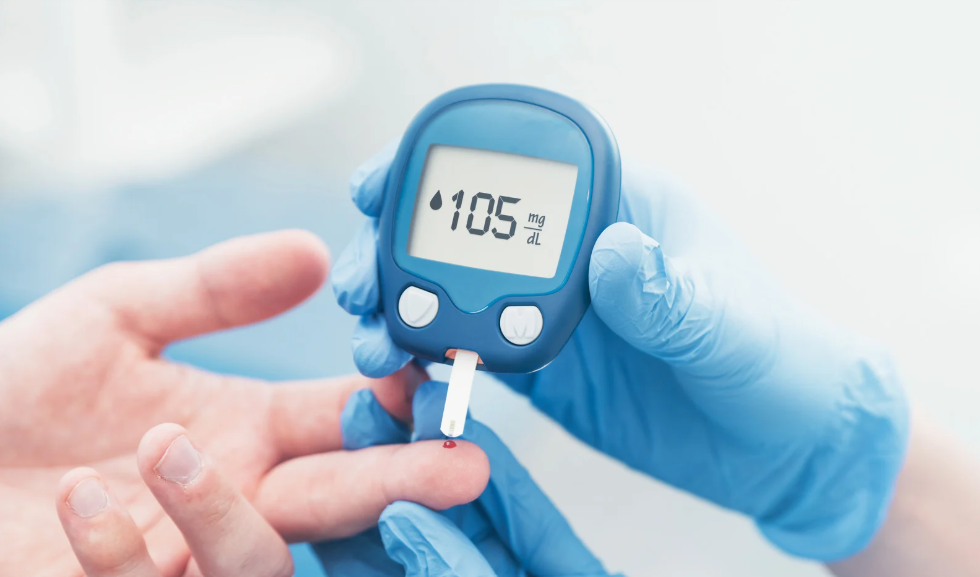
Type 2 diabetes affects 1 in 10 adults in the U.S.- about 38 million people. In Utah, 9% of adults have been diagnosed, and many others remain unaware they have it.
Type 2 diabetes occurs when the body cannot use insulin properly, leading to high blood sugar. If left untreated, this can damage the eyes, kidneys, nerves, and heart.
The map on the right shows diabetes rates in small areas of Utah, with purple representing areas with higher rates of diabetes.
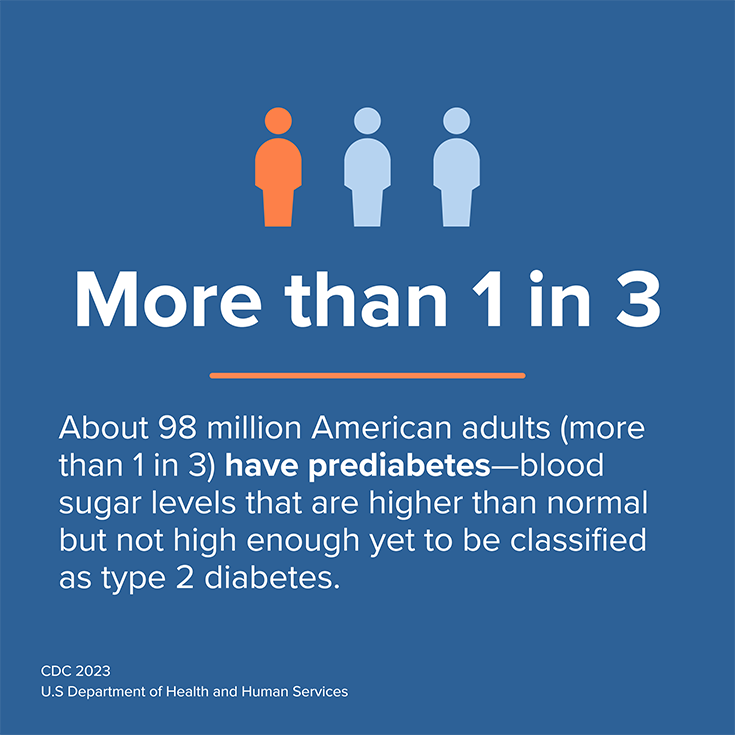
Before type 2 diabetes develops, a person may have prediabetes-when blood sugar levels are higher than normal but not high enough to be diabetes.
Prediabetes is very common, affecting 1 in 3 adults, and most don't know they have it. In Utah, about 30% of adults are estimated to have prediabetes.
Being overweight, eating poorly, and not getting enough physical activity significantly increases risk of prediabetes.
The map on the right shows obesity rates among adults by small areas. Purple indicates areas with higher obesity rates.

The good news is that prediabetes can be reversed! Making lifestyle changes, such as eating well and being more physically active, can cut your risk of getting type 2 diabetes in half.
Identifying prediabetes early on through screening allows people to take action now to prevent or delay diabetes
The map on the right shows "no leisure time physical activity" among adults by small areas, with purple representing areas with higher rates of physical inactivity.
Recognized as an overall healthy community, Utah County benefits from strong community engagement, a family-centered culture, and abundant outdoor recreational opportunities.
While diabetes rates here are lower than in other areas of Utah, diabetes prevention still remains a priority to ensure the long-term health of the community.
The map on the right outlines Utah County and the diagnosed diabetes rates in each city, with darker areas representing higher diabetes rates.
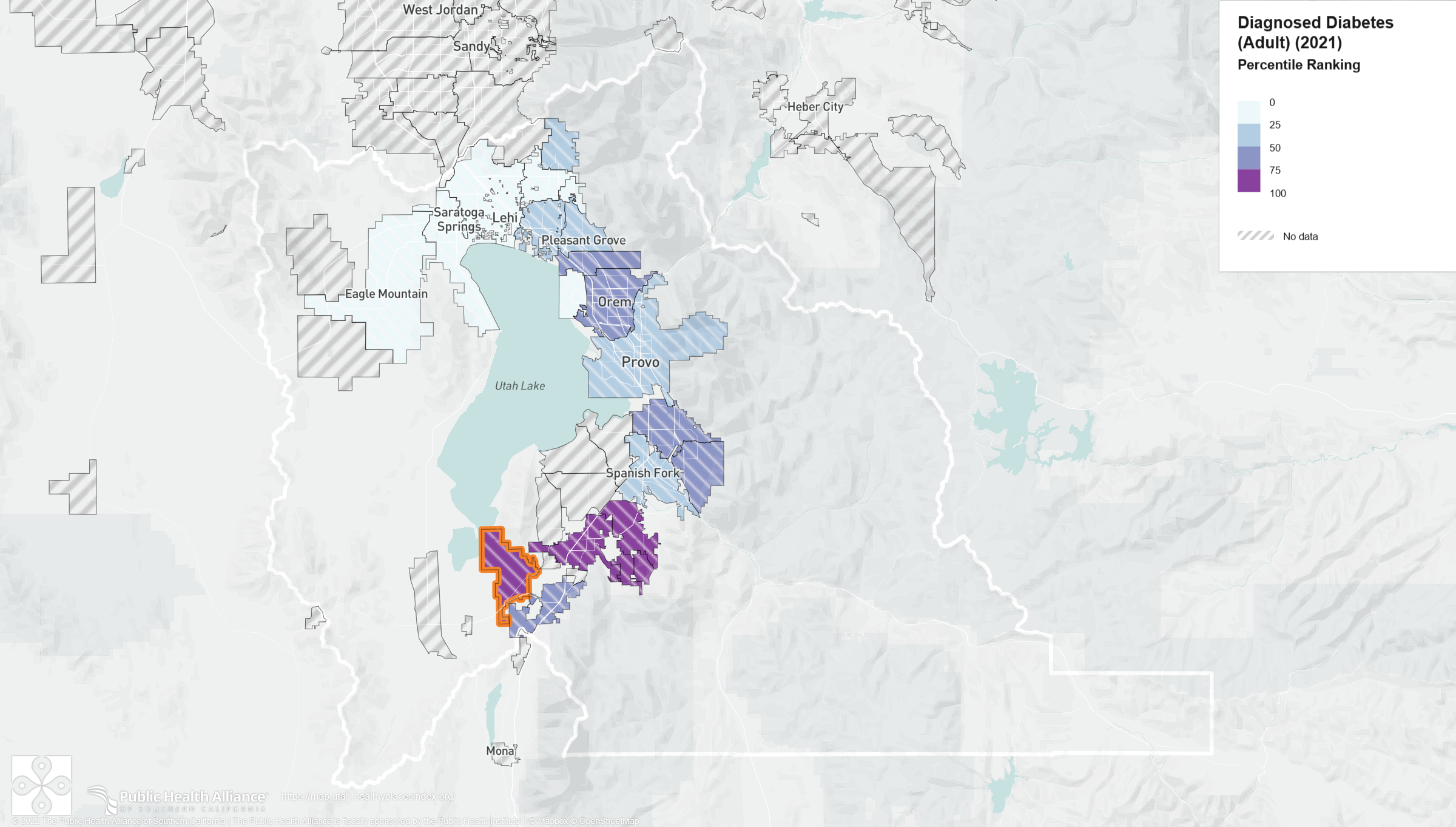
The map above shows diabetes rates for each city in Utah County, ranked by how they compare to the county overall. Areas with higher diabetes rates in Utah County include Genola, Payson, Santaquin, Orem, Springville, and Mapleton.
In Utah County,
- 8.6% of adults have been diagnosed with diabetes
- 31% of adults have obesity
- 33% of adults do not meet physical activity recommendations

In Utah County, a small family practice is making a big difference in diabetes prevention. Pace Clinic, located in Springville, has become a local champion for prediabetes screenings- showing that even smaller clinics can drive meaningful change when prevention becomes a priority.
Pace Clinic serves patients from Springville, Mapleton, Spanish Fork, and South Provo, all of which are areas in Utah County with higher-than-average rates of diagnosed diabetes.
The map on the right shows the areas that Pace Clinic serves and the diabetes rates in those areas- darker blue representing higher diabetes rates.
.png)
Aaron Hartle, DNP, FNP, at Pace Clinic, values connection with his patients and helping them lead the healthiest lives possible. He grew concerned that there were patients at his clinic with undiagnosed prediabetes and diabetes that were going unnoticed, prompting him to take action to improve early detection.
In April 2024, Pace Clinic began a quality improvement project, in collaboration with the Utah County Health Department, to identify patients with prediabetes, provide education, and refer them to lifestyle change programs.
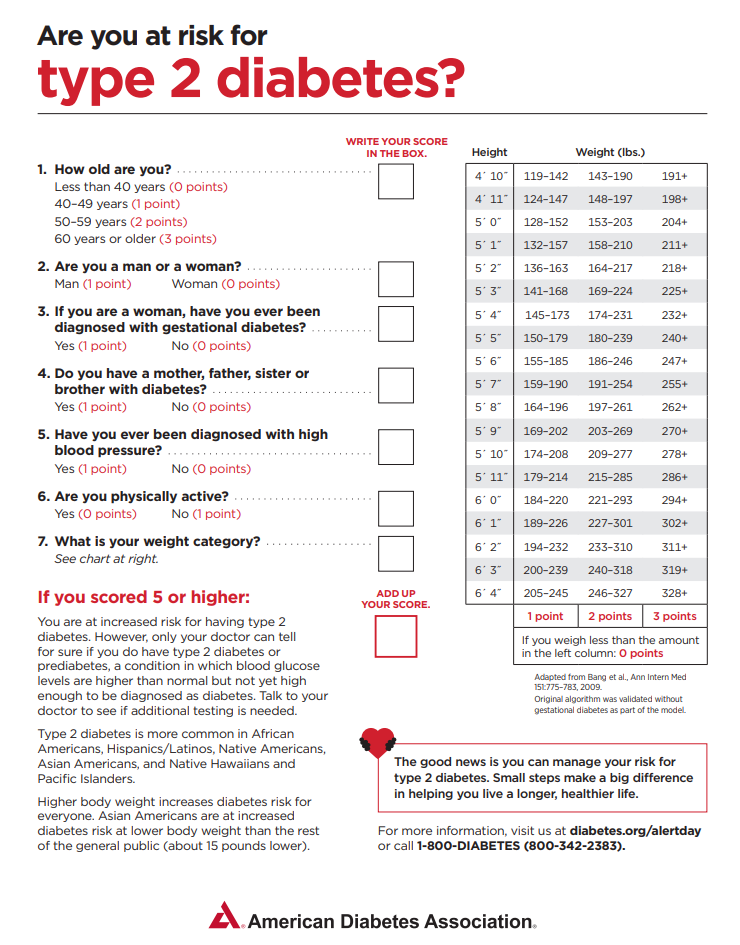
Aaron Hartle, DNP, FNP, and his clinic team implemented a new workflow process to incorporate the American Diabetes Association's type 2 diabetes risk assessment.
The type 2 diabetes risk assessment is a simple, low-cost, and effective way for clinics to identify at-risk patients who may need additional blood glucose testing. The seven-question screening enables both patients and providers to assess the risk for prediabetes or type 2 diabetes.
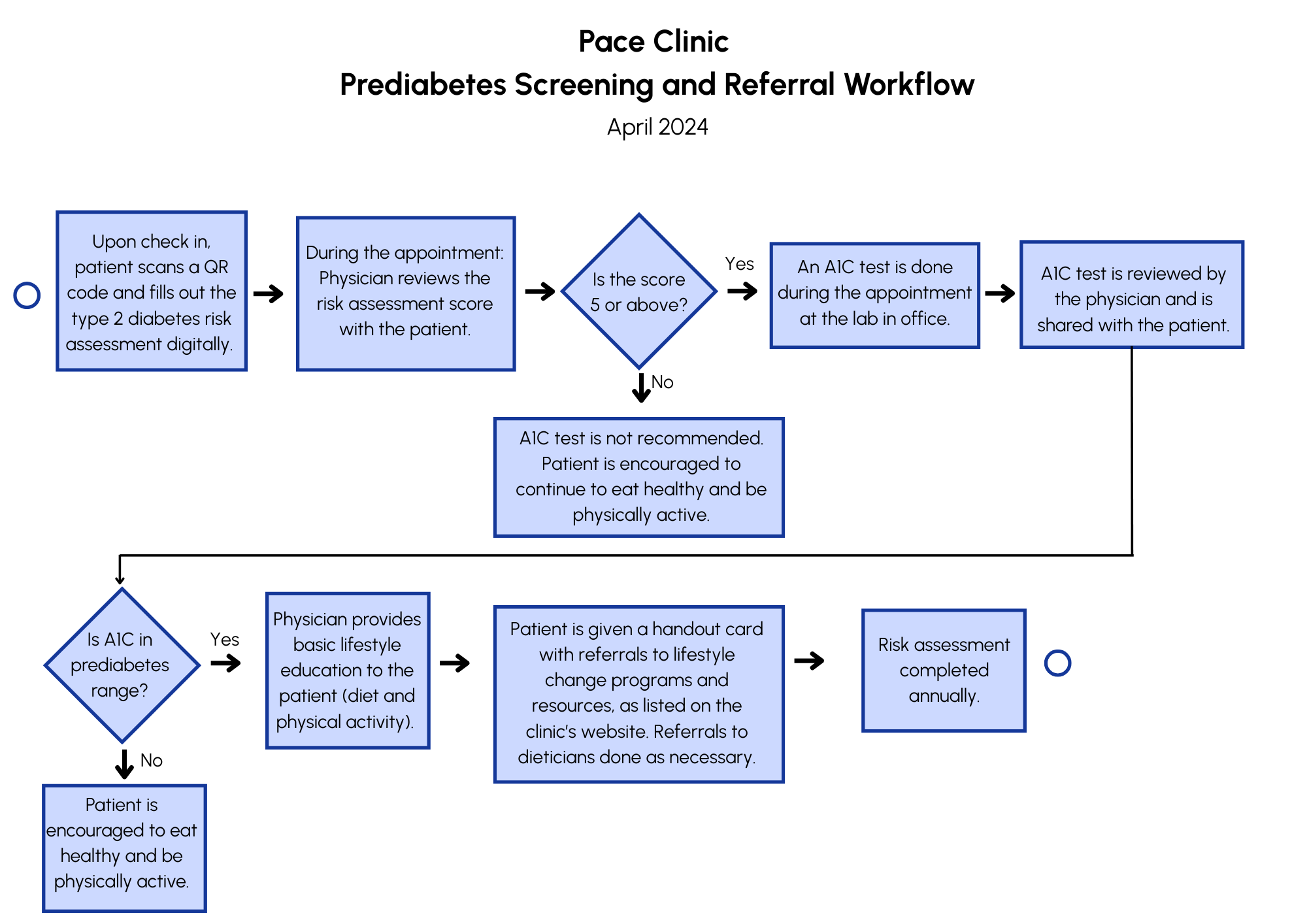
The diagram above shows Pace Clinic's new workflow process for prediabetes screening and making referrals.
Workflow processes lay out clear steps for how patient care should be delivered to ensure consistent, efficient, and high-quality care. Having workflow processes enhances team coordination by clearly defining responsibilities for each member of the care team.
After one year of implementing the new screening process, Pace Clinic saw tremendous improvement. They have continued to screen patients for prediabetes and refer to lifestyle change programs.
From May 2024 - May 2025:
- 349 patients were screened for prediabetes- a 250% increase from the previous year!
- Of those screened 87 patients, (25%) had an A1C in the prediabetes range and were referred to diabetes prevention and lifestyle change resources.
- 9 patients were diagnosed with type 2 diabetes and referred to a specialist.

Pace Clinic also sparked awareness throughout the community. Several patients who were screened during their appointments later brought in family members and friends, concerned for their health and eager to help them get screened.
Over a year after completing these screenings, Aaron Hartle, DNP, FNP, realized he hadn’t considered his own risk. He decided to take the prediabetes risk assessment and check his A1C, and the results surprised him:
"During this whole project, I never considered testing myself. I was too busy focusing on others. Turns out that I too fall in the "prediabetic" category. Looks like I am similar to everyone else who rarely thinks about testing. I have some work to do now!"
The video above explains how you can prevent type 2 diabetes through the National Diabetes Prevention Program.
Whether you're a healthcare provider or a member of the community, you can make a difference and prevent type 2 diabetes. By prioritizing prediabetes screening, sharing resources, and supporting healthy lifestyle changes, we can all help build healthy communities.
Individuals: Are you at risk? Take the 1-minute risk assessment to find out.
Clinics: Contact your local health department for support in enhancing your screening efforts. Explore the risk assessment and resources at the link below.
Explore more resources at Prediabetes | DHHS Healthy Environments Active Living.